

SSPX Tensions: Why Their Defiance Is Harming the Church
The SSPX's defiance of the Church is causing harm to the people of God in a few key ways
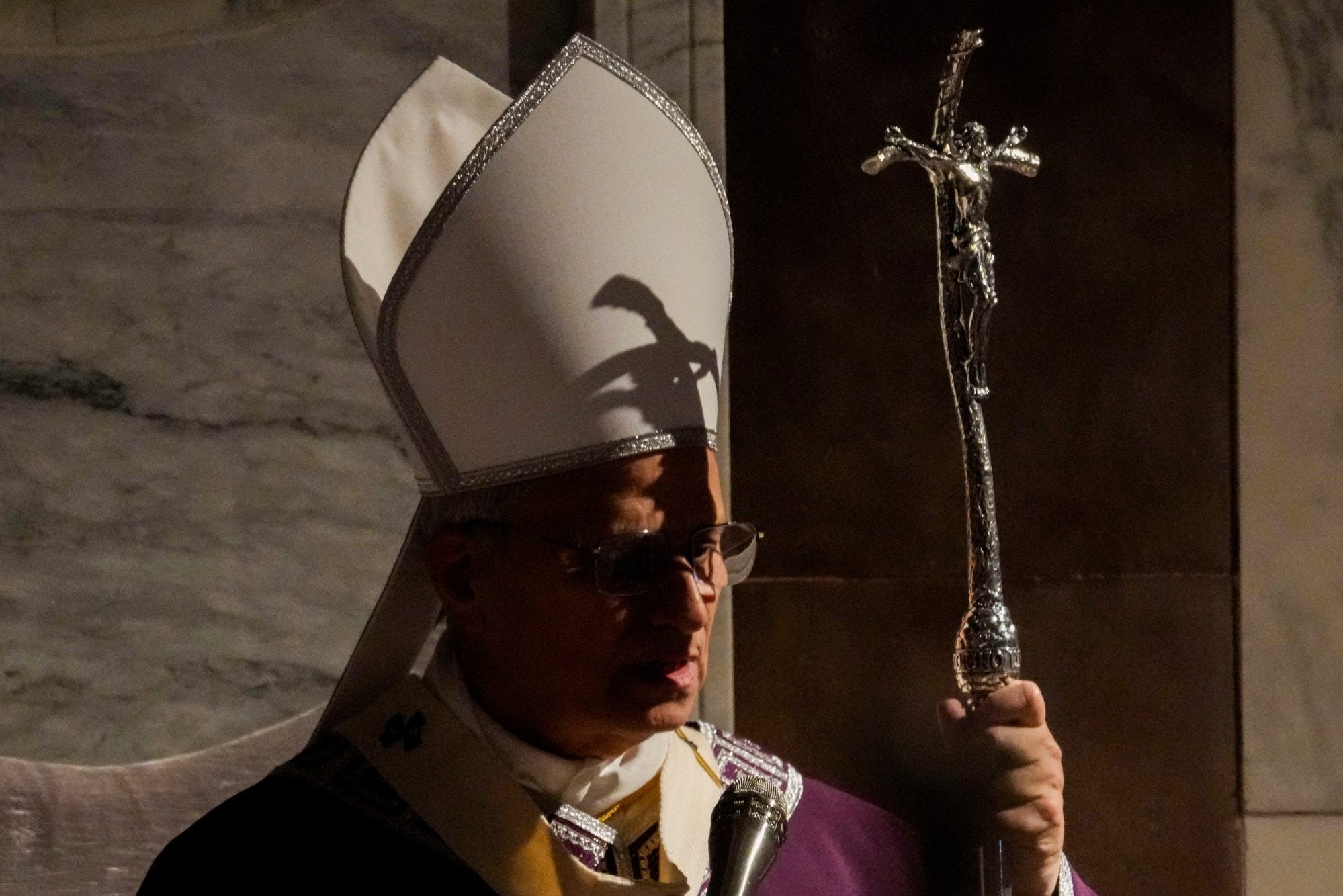
The tension between the Vatican and the Society of Saint Pius X (SSPX) is causing harm to the church in a several hidden ways. This drama, at its core is a question every Catholic must answer: Who has authority in the Church Christ founded?
The SSPX often frames its resistance as fidelity to tradition. But resistance to the living authority of the Church doesn’t safeguard tradition—it undermines it.
Defiance Is Not a Catholic Virtue
Christ didn’t leave behind a loose federation of theologians. He established a visible Church and entrusted governing and teaching authority to the apostles — authority that endures in the Magisterium.
He told St. Peter “You are Peter, and on this rock I will build my Church” (Matthew 16:18). To the apostles collectively: “He who hears you hears me” (Luke 10:16). Authority in the Church is not self-assumed; it is given. Something more Catholic laity need to keep in mind, as sufficient understanding of this core Catholic principal seems to be disappearing even amongst those in the pews. (Continues below)
RELATED ARTICLE at The Forge: How the SSPX Obstinately Refuses Overtures From the Vatican
Scripture
Public defiance of the Church’s lawful authority teaches ordinary Catholics a dangerous lesson: that obedience is conditional upon personal agreement. But Scripture does not present obedience as optional. In Acts 15 (Council of Jerusalem), when doctrinal confusion arose, the matter was settled by the apostles in council. The faithful did not splinter into factions claiming private fidelity to “the old ways.” They received the judgment of the Church.
In the narrative, we even see James—another apostle, and bishop of Jerusalem—not refusing or resisting Peter’s judgement, but declaring how he would enact it in his diocese.
Acts 15:7–13, 19
After there had been much debate, Peter rose and said to them,
“Brethren, you know that in the early days God made choice among you, that by my mouth the Gentiles should hear the word of the gospel and believe.”And all the assembly kept silence, and they listened to Barnabas and Paul as they related what signs and wonders God had done among the Gentiles.
After they finished speaking, James replied,
“Brethren, listen to me…Therefore my judgment is that we should not trouble those of the Gentiles who turn to God.”
